Planning for a life event

Planning for long-term care

Long-term care is the largest uninsured exposure in most retirement plans, and it is the one most reliably left out of them. The reason is not cost or complexity — it is that planning for it requires imagining a version of yourself that most people would rather not picture.

The second question

“If care is needed for years rather than months, who pays, and out of what?”

Her framing, and the shape of every one of these pages: the first question is the event itself, and everybody expects it. The second question is the financial one. It arrives days later, and it is almost never anywhere in the plan.

What it does to decisions

The responses this one tends to train

Financial trauma is the lasting effect a distressing event has on how a person handles money. These are the two patterns this particular event produces most often — and naming yours is what makes it workable.

Avoid

Money is the one subject nobody raises.

Most people are afraid to talk about money. In a household, that fear compounds quietly for years — two people each assuming the other has a clearer picture than they do.

Get everything onto one page — every account, every balance, every policy — before forming any opinion about it. One page, no judgment, no plan yet.

Over-control

No amount saved is ever enough.

Every dollar tracked, nothing spent, and a persistent sense that the floor could still give way. It looks like discipline from outside and feels like vigilance from inside.

Write down the number that would mean “enough”, and the date it would need to arrive. If you cannot name one, that is the finding — and it is the thing worth planning around.

What a plan has to deal with

The pieces this event puts in play

General planning considerations, not advice about your situation. Which of them matter, and in what order, is exactly what the first conversation is for.
01

Medicare is not long-term care coverage

It covers limited skilled care under specific conditions. Ongoing custodial care — help with daily living, which is what most people actually need — is generally not covered, and this is the most common and most expensive misunderstanding in the field.

02

The three settings cost very differently

Care at home, in assisted living and in a skilled nursing facility differ by a wide margin, and differ again by state. A plan should be built against local figures.

03

Self-funding is a legitimate answer, if it is a decision

Choosing to absorb the cost from assets is defensible. Assuming it will somehow be absorbed, without ever running the figure, is not the same thing.

04

Coverage comes in more than one shape

Standalone policies, hybrid life and long-term care products, and riders on existing coverage behave differently on cost, on use-it-or-lose-it, and on premium increases.

05

It is a family plan, not an individual one

Care almost always draws on an adult child’s time, income and career. Planning that leaves them out has not actually accounted for the cost.

06

Timing is the whole thing

Coverage is priced and underwritten on health. The window for choosing closes quietly, well before the need becomes visible.

Supporting photography. Nothing on this page is a client, a case or an outcome.

How working together works

The same published process, applied to this

There is no special program for any one life event. There is one engagement, and its first stage is designed to find out which of these actually apply to you.
  1. Step 1

    Initial Planning Engagement

    60–90 days

    Goal clarification · Income and benefits review · Cash flow analysis · Monthly savings targets

  2. Step 2

    Ongoing Financial Planning & Advice

    Continuing

    At least 2 planning meetings per year · 4–6 points of communication per year · Ongoing coordination of taxes and investments · Plan revisions as your life changes

  3. Step 3

    Investment Management

    Optional

    Third-party portfolio management · Coordinated with your written plan · Available alongside either step above

Why this page exists

Every page in this set is anchored to something documented rather than to a keyword worth ranking for. This one is anchored to:

Anchor

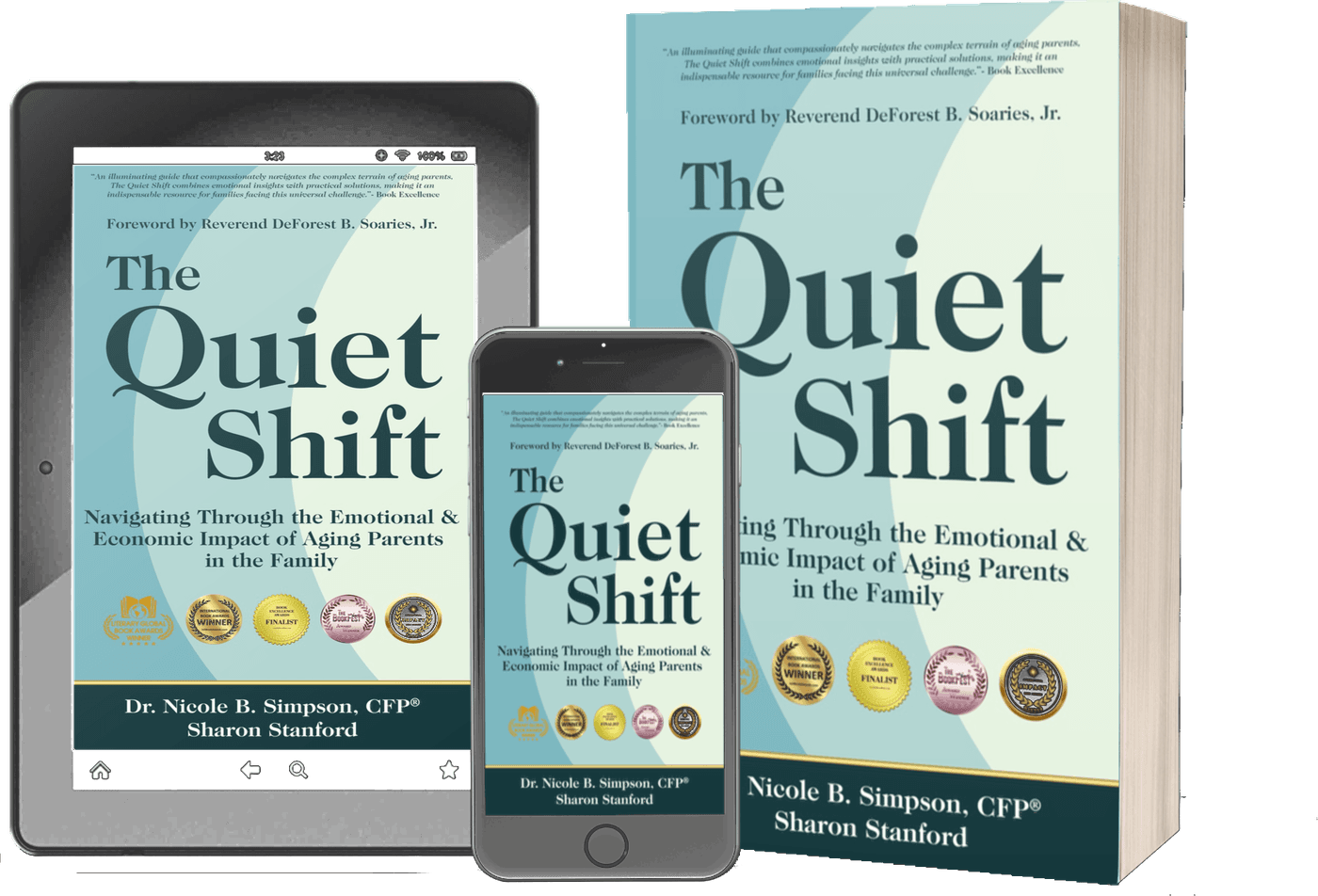
Her published service categories list Long Term Care under Insurance, and “Aging Gracefully…Planning for Long Term Care Needs” is one of her five signature talks.

I am credentialed, I’m credible, and I’m called.

Bring the situation, not the spreadsheets

The first conversation is free, lasts an hour, and starts with where you want to go rather than with what happened to you.