Planning for a life event

Planning after losing a job or an income

Losing an income is treated as a budgeting problem and it is rarely only that. It removes the thing a household organized itself around, and the responses it trains — freezing, avoiding, or spending against the fear — often outlast the gap in earnings by years.

The second question

“How long do we actually have, and what do we protect first?”

Her framing, and the shape of every one of these pages: the first question is the event itself, and everybody expects it. The second question is the financial one. It arrives days later, and it is almost never anywhere in the plan.

What it does to decisions

The responses this one tends to train

Financial trauma is the lasting effect a distressing event has on how a person handles money. These are the two patterns this particular event produces most often — and naming yours is what makes it workable.

Freeze

The decision keeps getting deferred.

Statements stop being opened. Appointments get moved. The paperwork sits. It looks like procrastination and it is closer to a protective reflex — a nervous system declining to take on more bad news.

Pick the single smallest thing on the pile and finish it this week. Not the most important one — the smallest. Freeze breaks on completion, not on importance.

Spend

Something hurts, so something gets bought.

Her own description of the pattern: facing a hole, the first instinct is often not to climb out of it but to make it deeper. Relief now, at a cost that arrives later.

For two weeks, write one word beside each non-essential purchase: what had just happened. The pattern surfaces faster than any budget will.

What a plan has to deal with

The pieces this event puts in play

General planning considerations, not advice about your situation. Which of them matter, and in what order, is exactly what the first conversation is for.
01

Runway before anything else

Cash on hand divided by true monthly outflow, expressed in months. Every other decision gets easier once that number exists, and most people have never calculated it.

02

The old employer plan

A 401(k) left behind is one of the most commonly forgotten assets in a financial life. Whether it is rolled over, left, or drawn on has consequences worth deciding rather than defaulting into.

03

Health coverage, before there is a gap

Continuation coverage, a marketplace plan or a spouse’s plan all have windows attached to them, and the windows do not reopen.

04

Which fixed costs are actually fixed

Some are contractual and some only feel that way. Separating the two is more productive than an across-the-board austerity that nobody sustains past six weeks.

05

Retirement contributions, paused rather than abandoned

Pausing with a written restart trigger behaves very differently from stopping and intending to get back to it. The second one tends to be permanent.

06

The spending that shows up afterward

Relief spending during and after a job loss is common and is not a character failure. Planned for explicitly, it stops being the thing that quietly extends the recovery.

Supporting photography. Nothing on this page is a client, a case or an outcome.

How working together works

The same published process, applied to this

There is no special program for any one life event. There is one engagement, and its first stage is designed to find out which of these actually apply to you.
  1. Step 1

    Initial Planning Engagement

    60–90 days

    Goal clarification · Income and benefits review · Cash flow analysis · Monthly savings targets

  2. Step 2

    Ongoing Financial Planning & Advice

    Continuing

    At least 2 planning meetings per year · 4–6 points of communication per year · Ongoing coordination of taxes and investments · Plan revisions as your life changes

  3. Step 3

    Investment Management

    Optional

    Third-party portfolio management · Coordinated with your written plan · Available alongside either step above

Her published work on this

Where she has written or spoken about it

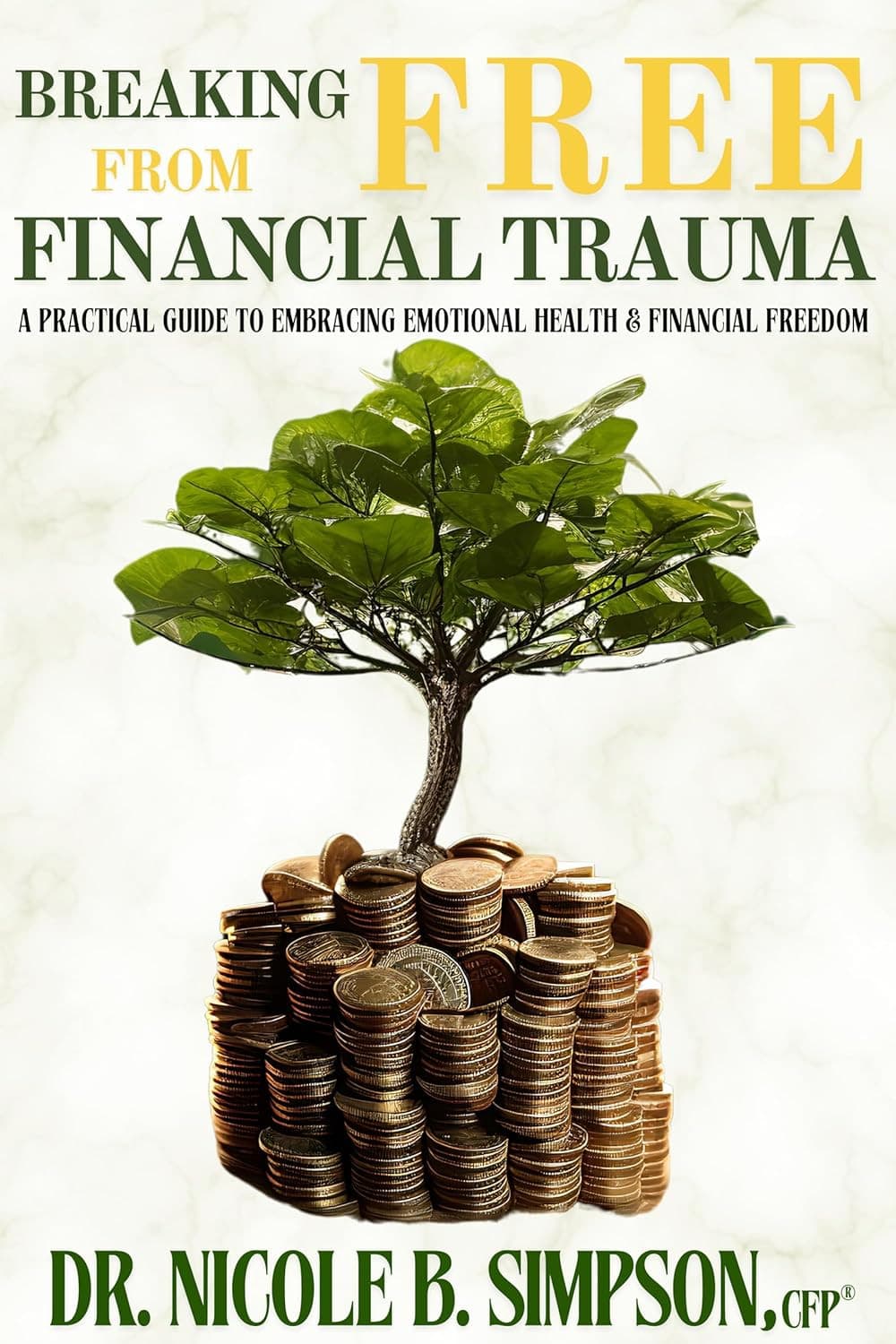
BookBreaking Free From Financial TraumaAmazon Best Seller on releaseSignature talkBreaking Free from Financial Trauma
GoBankingRates

How To Recover From a Summer of Spending

Title and outlet are verbatim from her media page. The direct link is still outstanding.

Why this page exists

Every page in this set is anchored to something documented rather than to a keyword worth ranking for. This one is anchored to:

Anchor

On the /financial-trauma event list: “Loss of a job, a business, or a primary income.”

I am credentialed, I’m credible, and I’m called.

Bring the situation, not the spreadsheets

The first conversation is free, lasts an hour, and starts with where you want to go rather than with what happened to you.