Planning for a life event

Planning after a disability or health event

A disability changes the single largest asset most households own, which is not the house or the portfolio but the ability to earn. A plan built on an earnings assumption that no longer holds does not need adjusting at the edges — it needs rebuilding from the income line.

The second question

“What can still be earned, and what has to be replaced?”

Her framing, and the shape of every one of these pages: the first question is the event itself, and everybody expects it. The second question is the financial one. It arrives days later, and it is almost never anywhere in the plan.

What it does to decisions

The responses this one tends to train

Financial trauma is the lasting effect a distressing event has on how a person handles money. These are the two patterns this particular event produces most often — and naming yours is what makes it workable.

Freeze

The decision keeps getting deferred.

Statements stop being opened. Appointments get moved. The paperwork sits. It looks like procrastination and it is closer to a protective reflex — a nervous system declining to take on more bad news.

Pick the single smallest thing on the pile and finish it this week. Not the most important one — the smallest. Freeze breaks on completion, not on importance.

Over-control

No amount saved is ever enough.

Every dollar tracked, nothing spent, and a persistent sense that the floor could still give way. It looks like discipline from outside and feels like vigilance from inside.

Write down the number that would mean “enough”, and the date it would need to arrive. If you cannot name one, that is the finding — and it is the thing worth planning around.

What a plan has to deal with

The pieces this event puts in play

General planning considerations, not advice about your situation. Which of them matter, and in what order, is exactly what the first conversation is for.
01

Human capital is the asset that changed

Everything downstream — savings rate, retirement date, insurance need, education funding — was calculated from an earnings figure. That figure is the thing to revise first.

02

Disability benefits and their definitions

Whether a policy pays on inability to do your own occupation or any occupation is the difference between a claim being paid and not. Group and individual coverage often differ on exactly this point.

03

The interaction between benefits

Employer benefits, Social Security disability and any private policy frequently offset one another. The total is usually less than the sum, and knowing by how much matters.

04

Means-tested benefits and the accounts that protect them

Where public benefits are involved, ordinary saving and ordinary gifting can disqualify a person from them. Specialized account types exist precisely to avoid that, and using them is time-sensitive.

05

Costs that are permanent, not one-off

Accessibility modifications, equipment, transport and ongoing care are recurring line items, not a single expense to absorb and move past.

06

A plan the household can follow on a bad week

Trauma-informed planning means building for the difficult weeks rather than for the version of the household that has full capacity every day.

Supporting photography. Nothing on this page is a client, a case or an outcome.

How working together works

The same published process, applied to this

There is no special program for any one life event. There is one engagement, and its first stage is designed to find out which of these actually apply to you.
  1. Step 1

    Initial Planning Engagement

    60–90 days

    Goal clarification · Income and benefits review · Cash flow analysis · Monthly savings targets

  2. Step 2

    Ongoing Financial Planning & Advice

    Continuing

    At least 2 planning meetings per year · 4–6 points of communication per year · Ongoing coordination of taxes and investments · Plan revisions as your life changes

  3. Step 3

    Investment Management

    Optional

    Third-party portfolio management · Coordinated with your written plan · Available alongside either step above

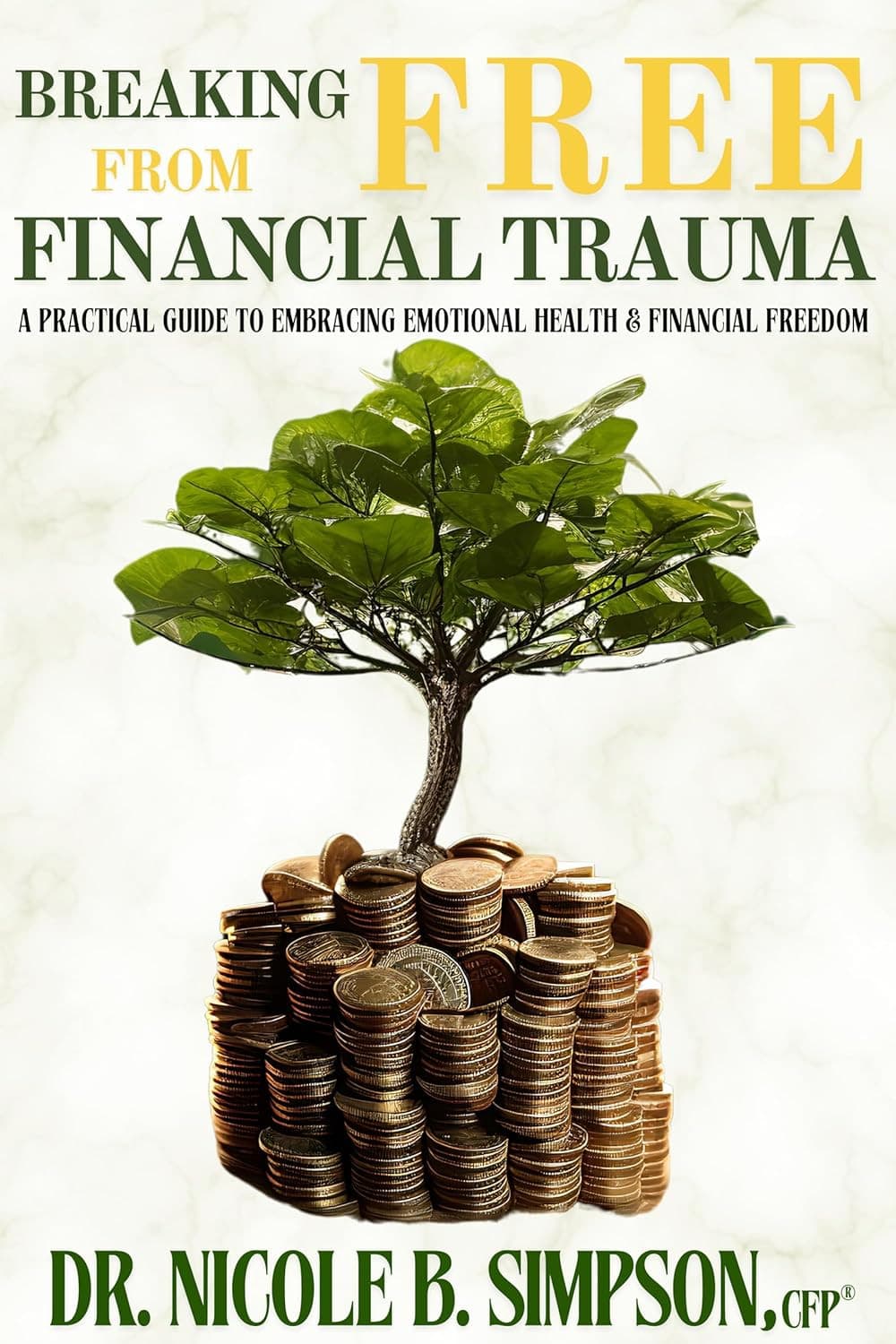
Her published work on this

Where she has written or spoken about it

Why this page exists

Every page in this set is anchored to something documented rather than to a keyword worth ranking for. This one is anchored to:

Anchor

On the /financial-trauma event list: “Disability, or a health event that changes what work is possible.”

I am credentialed, I’m credible, and I’m called.

Bring the situation, not the spreadsheets

The first conversation is free, lasts an hour, and starts with where you want to go rather than with what happened to you.